
Here's the short version: AI SEO is the practice of getting your business mentioned and cited by AI search tools like Google AI Overviews, ChatGPT and Perplexity — which now answer questions directly instead of just listing links. The good news is it isn't a whole new dark art; it's mostly good SEO, done deliberately.
For twenty years, SEO meant one thing: rank on Google's first page. Then AI answer engines turned up and started handing people the answer straight away, often citing a handful of sources by name. If your business isn't part of that answer, you're invisible to a fast-growing slice of searchers — and your competitors who show up are quietly winning the enquiry.
This guide covers what AI SEO actually is, how it differs from traditional SEO, the practical steps to optimise for it, why your existing foundations still matter, and where to start.
- AI search (Google AI Overviews, ChatGPT, Perplexity) answers questions directly and cites the sources it trusts.
- AI SEO aims to make your business part of that answer, not just a link in a list.
- Clear structure, schema, real expertise (E-E-A-T) and consistent business information all help you get cited.
- Traditional SEO foundations still matter — AI SEO builds on them rather than replacing them.
- It's still early, so businesses that optimise now build an advantage that's hard to catch.
What is AI SEO?
AI SEO (you'll also hear it called generative engine optimisation, or GEO) is the practice of getting your business mentioned and cited by AI-powered search tools. Instead of returning ten blue links, these tools read the web and hand the user a written answer — often quoting a few sources by name.
You've almost certainly seen it: the AI Overview now sitting at the top of many Google searches, or the answer ChatGPT gives when someone asks it to recommend a service. The question for your business is simple — when an AI answers a question your customers are asking, does it mention you, or someone else?
How AI SEO differs from traditional SEO
The core difference is the goal. Traditional SEO aims for a ranking position; AI SEO aims to be the answer, or at least one of the sources behind it. A few practical shifts follow from that:
- Clarity beats cleverness — AI tools extract answers, so content that states things plainly and directly gets quoted.
- Structure is everything — clear headings, direct answers and lists make your content easy for a machine to lift cleanly.
- Authority is read across the whole web — mentions, reviews and reputation, not just backlinks, tell an AI whether to trust you.
None of that contradicts good SEO. It simply rewards the tidy, honest, genuinely-useful version of it even more strongly. It's a continuation of the shift we wrote about in SEO is more than just a ranking thing.
How to optimise for AI search
Here's the practical playbook we use with clients.
Answer questions directly
Lead with a clear, concise answer, then expand. AI loves a page that gets to the point, so a direct opening sentence to each section makes your content easy to quote.
Add schema markup
Structured data helps machines understand exactly what your content and business are — your services, location, reviews and FAQs. It's a big part of technical SEO and one of the clearest signals you can send.
Target featured snippets
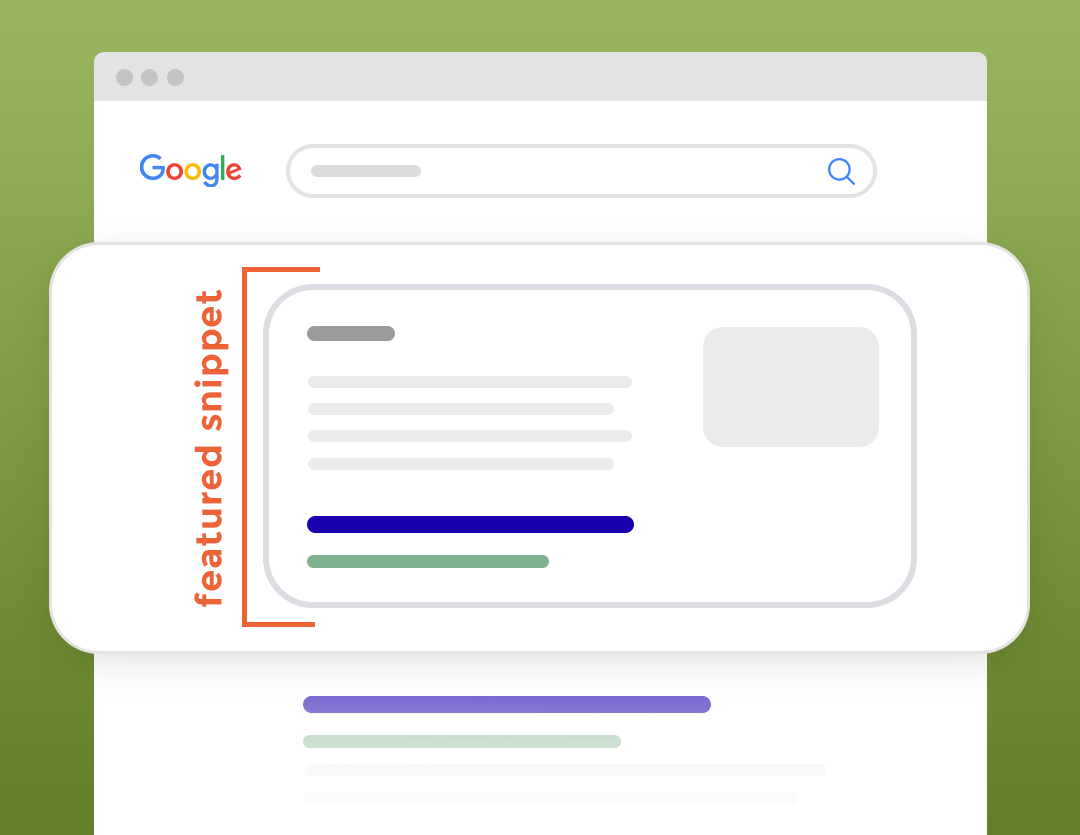
The content that wins Google's featured snippets is often the same content AI pulls into its answers. Answer specific questions cleanly and you put yourself in the running for both. More on featured snippets →
Build real expertise signals
Named authors, genuine experience, and content that demonstrates you actually know your field (what Google calls E-E-A-T) all help an AI decide you're a credible source worth citing.
Keep your information consistent
The same business name, address, phone number and details everywhere online, so an AI can connect the dots confidently and trust that you are who you say you are.
Your SEO foundations still matter
Here's the reassuring part: AI search doesn't reward a different website than Google does. The pages that get cited by AI are, overwhelmingly, the ones that already rank well — because they're clear, trustworthy and useful. Fast, mobile-friendly, well-structured content with a solid link profile is exactly what both value.
So if you've been doing SEO properly, you're already most of the way there. AI SEO is a deliberate polish on top of strong foundations, not a teardown — which is why the businesses panicking about "starting over" have usually misunderstood it.
Where to start with AI SEO
Don't try to boil the ocean. Start with the questions your customers actually ask, write genuinely clear answers to them, mark up your pages properly, and make sure your business information is consistent everywhere it appears. That combination puts you firmly in the running to be cited.
AI search is moving quickly, and the businesses that get in early are building visibility that's hard for latecomers to catch. If you'd like to know how you look to AI search today, our GEO service is built for exactly this, and a free SEO audit is a good place to find your starting point.
Getting found before your competitors
The way people search is changing faster than it has in a decade, and most businesses are still running the playbook that worked five years ago. That gap is an opportunity. Optimising for AI search now — while your competitors are still ignoring it — is how you become the name the AI recommends when a customer asks.
You don't need to become an AI expert to get there; you need clear content, clean technical foundations and consistent signals across the web. That's the work we do every day, so you can get on with running your business while your visibility keeps pace with how people actually search.