Here's the short version: local SEO helps nearby customers find your business exactly when they're searching for what you offer — and for a small business that serves a local area, it's the single highest-return marketing you can do. Better still, a lot of it is free, and you can start this week.
Think about how you find a local service yourself — a plumber, a cafe, a physio. You search, glance at the map and the top few results, and pick one. Your customers do exactly the same, which means if you're not in those top results, you simply don't exist for that search, no matter how good you are.
This guide is the no-jargon version for owners who'd rather be running their business than decoding SEO. It covers why local SEO matters, your Google Business Profile, citations and consistency, reviews, and the local content that helps you get found.
- Local SEO helps nearby customers find you at the exact moment they're searching for what you offer.
- Your Google Business Profile is the foundation — claim it, complete it fully, and keep it active.
- Consistent business details (name, address, phone) across the web build trust with Google.
- Genuine, recent reviews are one of the strongest local ranking signals — and easy to ask for.
- Most of this costs nothing but time, so a small business can make real progress on its own.
Why local SEO matters
Local searches come loaded with intent. "Near me" and "open now" searches are people ready to act — often ready to buy today — so being visible for them is worth more than almost any other kind of traffic. For a small business, getting found at that moment is frequently the whole game.
The businesses winning locally aren't always the biggest or the cheapest; they're the ones that show up when it counts. It's a big part of why small businesses need SEO in the first place — visibility is what turns a good local business into a busy one.
Your Google Business Profile
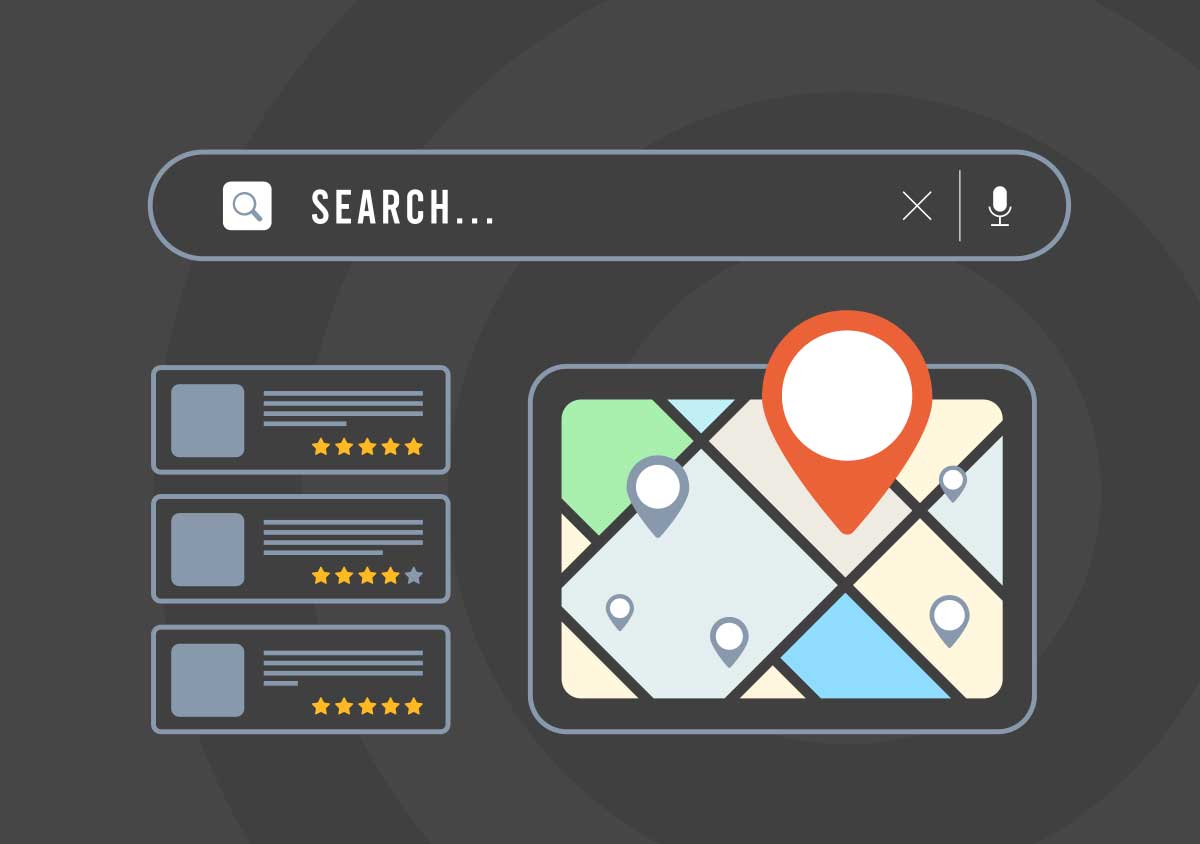
This is the big one, and it's free. Your Google Business Profile is the listing that appears in Google Maps and the local "map pack" at the top of the results — for most local searches, it's the first thing people see. Get it right and you're already ahead of half your competitors.
- Claim and verify it — if you haven't, this is step one, today.
- Fill in everything — hours, services, categories, description and plenty of photos. Complete profiles rank better and get more clicks.
- Keep it active — post updates, add new photos and answer questions. An active profile signals a real, running business.
Our local SEO service lives and breathes this, but you can make genuine progress on your own with a bit of attention each week.
Citations & consistency
A citation is any online mention of your business name, address and phone number — in directories, on social profiles, in local listings. Google uses them to confirm you're a real, established business, and the key word is consistency. Your details should match everywhere, right down to whether you write "Street" or "St".
Inconsistent listings — an old address here, a different phone number there — quietly confuse Google and undermine your rankings. Tidying them up is unglamorous work, but it's genuinely effective and something you can chip away at over time.
Get (and use) reviews
Reviews do double duty: they persuade customers and they help you rank. A steady stream of genuine, recent Google reviews is one of the strongest local signals there is, and it's often the deciding factor when someone's choosing between you and the business next door.
So just ask. Happy customers are usually glad to help if you make it easy — a quick link after a job well done works wonders. And reply to your reviews, good and bad; it shows you're engaged and gives Google fresh signals of an active, well-run business.
A little local content
You don't need to blog every day, but a few pages and posts that speak to your area help a lot. Naturally work your location into your page titles, headings and copy — "Surfers Paradise physiotherapy" rather than just "physiotherapy" — and consider content on local topics or the questions your community actually asks.
This tells Google exactly where you operate and who you serve, and it captures those valuable location-based searches. It's the same idea behind matching your pages to search intent — give people (and Google) a clear signal of what you do and where.
Getting found nearby
Local SEO isn't complicated, but it does reward consistent attention — a complete, active Google Business Profile, tidy listings, a steady flow of reviews and a little local content. Do those well and you'll show up when nearby customers search, which for most local businesses is exactly where the growth comes from.
Getting started doesn't have to be daunting, and you can genuinely make headway yourself. But if you'd rather have it handled properly while you focus on the business, that's what we do — local SEO built to get Australian small businesses found by the customers on their doorstep. A free SEO audit will show you the quickest local wins for your business.