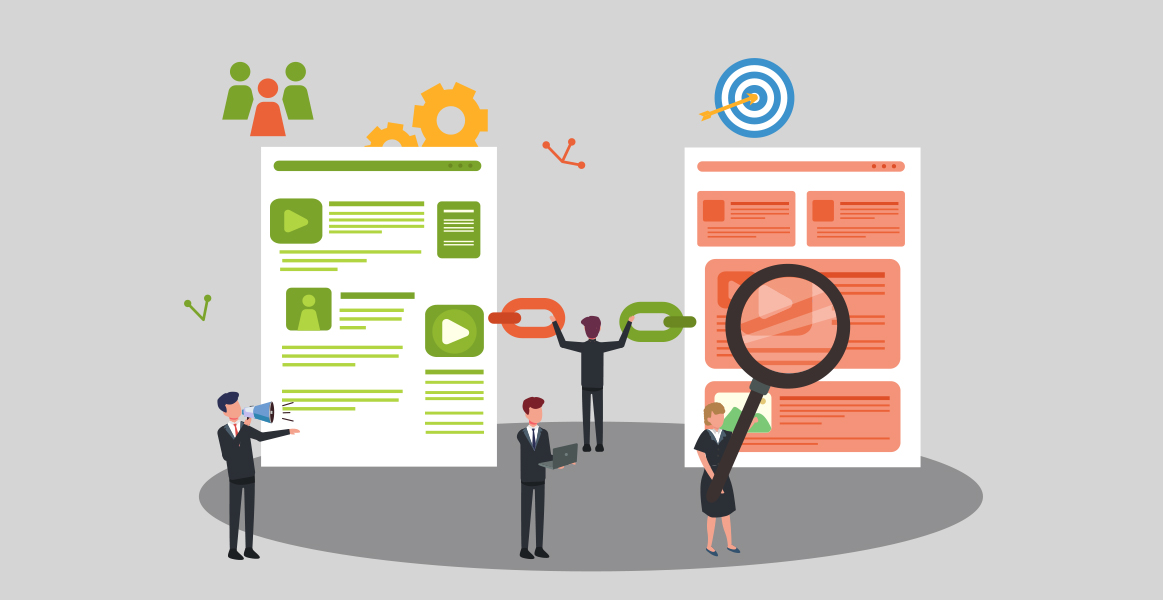
Staying visible online takes more than a good website — it takes a reputation, and links are how the web builds one. Link building is the process of earning links from other sites back to yours. Done well, those links drive referral traffic and help Google see your site as trustworthy and authoritative, which supports better rankings. The one rule that trumps the rest: quality beats quantity every time. A handful of links from respected, relevant sites will do far more for you than a pile of low-value ones. Here are seven strategies worth putting to work.
- Quality, relevant links matter far more than sheer volume.
- Reclaim lost links and turn brand mentions into real links.
- Guest blogging and social media earn links as a by-product of value.
- Never buy links — earn them through genuinely useful content.
1. Use link reclamation
Link reclamation is the quiet win most businesses overlook — recovering links you've already earned but lost. Links disappear for a few reasons: an author removes them, the linking page 404s, it gets redirected, or the page drops out of Google's index. Fixing your own internal links is easy since you control them; chasing external ones takes more legwork but is well worth it. Closely related are unlinked brand mentions — sites that name your business without linking to it. Set up Google Alerts to catch them, then politely ask the editor to add the link. Prioritise mentions on high-quality pages, because authority is calculated page by page.
2. Guest blogging
Guest blogging still works, with one golden rule: you don't guest blog to build backlinks. Any links you earn should be a by-product of great content, never the whole point. Research blogs that welcome guest posts and whose audience genuinely overlaps with yours, aim for trusted sites that rank well, and write specifically for their readers. Done right, it brings targeted traffic, builds your authority in Google's eyes, and develops the social proof that gets you taken seriously in your niche — with quality backlinks as the bonus.
3. Be active on social media
Social media doesn't hand you direct ranking links, but it's a powerful engine for the exposure that leads to them. Sharing genuinely useful content puts your work in front of people likely to reference and link to it. Platforms like Facebook, Instagram and LinkedIn give you a cheap, far-reaching way to build awareness and spark the interactions that grow your audience. Visual content earns its keep here too — infographics and diagrams tend to be shared far more than standard posts, which makes them a reliable way to attract high-quality backlinks.
4. Grow your personal brand
The stronger your personal brand, the more links come to you naturally. As people start to recognise and trust you, they link to you without being asked — the most valuable kind of link there is. Natural links aren't loaded with tracking parameters, tucked inside paid content, or routed through monetisation tools; they're genuine references from people who value what you share. Consistent blogging and a clear, authentic voice go a long way to building that recognition and, with it, the organic links and rankings that follow.
5. Examine your competition
Keeping an eye on competitors is one of the smartest ways to shape your own link strategy. Look at how their links are structured and where they come from, and you'll quickly spot opportunities — without simply copying them. Start simple: pick your top three competitors, search your main keyword, and see who's ranking and where you sit. Then dig into their backlinks with a tool like Semrush, Moz or Ahrefs. It's a fast way to learn which approaches actually work in your industry.
6. Get on "best of" lists
Being featured on "best of" or "top 10" lists is a great way to earn quality backlinks and get noticed. Use a backlink checker to find relevant lists in your niche, then reach out to whoever curates them and make a clear case for why your business belongs. Beyond the link itself, these lists build real credibility — people trust them as go-to resources, so a spot on one puts you in front of an engaged, ready-to-act audience and can bring a steady trickle of organic traffic.
7. Connect with industry experts
Genuine relationships with the influential people in your field can do wonders for your visibility. Join industry groups and forums, get involved in conversations, and share what you know without expecting anything back. As those connections deepen, experts may naturally link to your work in their own content. Networking also opens doors to insights, opportunities and partnerships that push your business forward — showing real interest in your industry pays off in more ways than just links.
Link building is one of the strongest influences on where you rank, but it's a marathon, not a sprint — reputations take time to build, and there are no shortcuts worth taking. It still matters for AI search too: when Google AI Overviews and ChatGPT choose which sources to cite, they lean on the same credible, well-linked pages that rank well in traditional search. If you've got questions about link building, see how we approach it or get in touch.