
Organic traffic. Paid traffic. Direct traffic. If you're new to SEO, the jargon can make your head spin. Here's the short version: the whole point of search engine optimisation is to grow your organic traffic — the visitors who find you naturally through search. Just like more foot traffic in a shop tends to mean more sales, more of the right visitors online means more leads and more customers. Let's unpack what organic traffic really is, why it matters, and the strategies that bring more of it your way.
- Organic traffic comes from unpaid search results — you earned it, not paid for it.
- It's more sustainable and cost-effective than paid ads, and often converts better.
- Great content and the right keywords are the foundation of organic growth.
- A fast, easy-to-use site and quality backlinks push your rankings higher.
What is organic traffic?
Organic traffic is the number of visitors arriving from unpaid search results — meaning you didn't pay for an advert they clicked. Usually they searched for a specific term, saw your website appear high on the results page, and clicked through. The higher you rank, the more of those clicks you earn. SEO is simply the craft of lifting your ranking to generate more of them without paying per click. (For contrast: paid traffic comes from pay-per-click ads, and direct traffic is people typing your web address straight in.)
Why organic traffic matters
Picture a shop with no one inside — no browsing, no chatter, no queue at the counter. You'd assume it wasn't doing well. The same logic applies online. Organic traffic is the digital equivalent of foot traffic, and because it's earned through SEO rather than bought, it's a far more sustainable and cost-effective way to grow. Better still, people who actively searched and chose to visit tend to be more engaged and more ready to buy. Prioritising organic traffic doesn't just boost visibility — it improves your odds of turning browsers into customers.
The key benefits of SEO
SEO isn't a nice-to-have; without a steady stream of new organic visitors, most websites struggle to gain traction. The benefits stack up: greater visibility as you rank higher, cost-effectiveness with no ongoing cost per click, higher-quality traffic from people actively searching for you, long-term growth that builds over time, more credibility from ranking well, and better conversion rates because that traffic is so targeted. It also adapts — a good strategy flexes with changing trends and algorithm updates.
Publish content people want
Despite what some make it sound like, SEO isn't magic. For years Google has said the same thing: write content people actually want to read. Genuinely useful, well-crafted content that answers real questions is the single most reliable way to earn organic traffic. Solve a problem better than the next site and you give both readers and search engines a reason to choose you.
Target the right keywords
Keywords aren't secret hacks — they're simply how people find your content. Use tools like Google Keyword Planner, Semrush or Ahrefs to identify terms that balance search volume with how competitive they are. And don't chase only the biggest numbers: long-tail keywords bring less traffic but far more intent. Someone searching for "best real estate lawyer in Brisbane" is much closer to buying than someone typing "best lawyer".
Build a fast, usable site & earn links
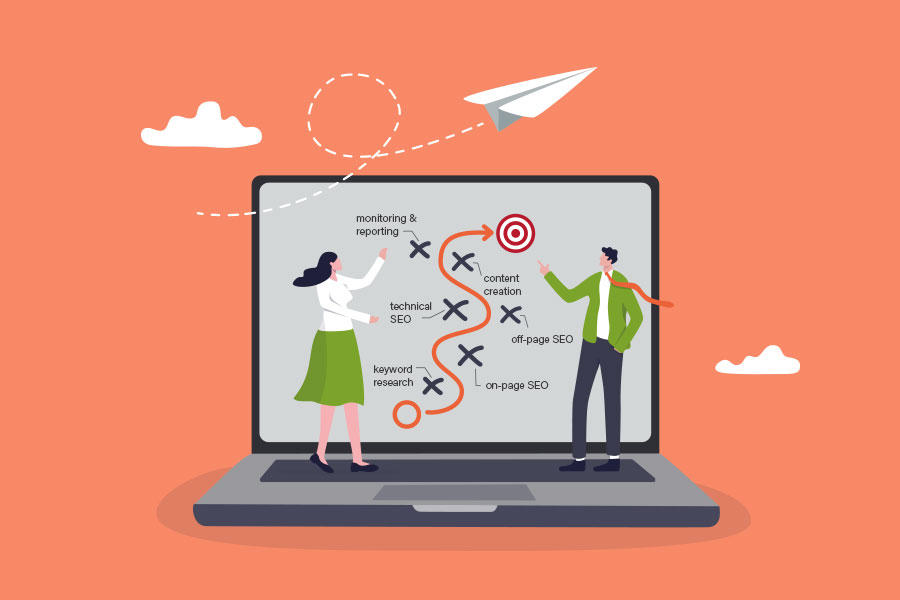
Content is one pillar; technical SEO is the other. Your site should load quickly, use clear page titles, offer intuitive navigation and work beautifully on mobile. Then there's off-page SEO: backlinks from other reputable sites are one of the strongest ranking factors, though also the hardest to earn. The most reliable route is creating content so good that others genuinely want to link to it.
SEO remains the best long-term way to boost organic traffic and grow your business online. Get the content, keywords, technical foundations and links working together, and you build a presence that keeps paying off. If you'd like a hand taking your organic traffic to the next level — here on the Gold Coast or anywhere in Australia — that's exactly what we do.